

Is your dog constantly licking their paws, scratching their ears or rubbing their face? Is your cat overgrooming, losing hair or developing recurring itchy skin?
Allergic skin disease is one of the most common conditions we see at Animal Dermatology Clinic. For some pets, the itching can be persistent and have a significant impact on their comfort, sleep and quality of life.
One common cause is atopic dermatitis — a lifelong tendency to develop allergic skin disease associated with environmental allergens such as pollens, grasses, weeds, trees, moulds and house dust mites.
The good news is that allergies can be managed. The first step is understanding what is happening with your pet's skin.

What are common signs of allergies in dogs?
Allergic dogs commonly show signs involving their paws, face, ears, armpits, groin and abdomen.
You may notice:
Licking, chewing or biting at the paws
Scratching or rubbing the face and ears
Recurrent ear infections
Red, inflamed or itchy skin
Recurrent bacterial or yeast skin infections
Greasy skin or an unpleasant odour that quickly returns after bathing
Symptoms that become worse during particular seasons
Increased itching after spending time outdoors or around grass
Some dogs develop symptoms when they are young, while others may not show obvious allergic skin disease until later.
The location and pattern of your pet's symptoms can provide useful clues, but itching alone doesn't tell us what your pet is allergic to. Several different skin conditions can look very similar.
What are common signs of allergies in cats?
Cats can show allergic skin disease in several different ways. Signs may include:
Persistent licking or overgrooming
Hair loss, particularly over the belly and sides
Itching and scratching around the head, ears and neck
Crusting or scabbing of the skin
Red, raised or irritated skin lesions
Recurrent skin or ear problems
Changes in coat quality due to excessive grooming
Because cats are often very private groomers, allergic itch isn't always obvious. Sometimes hair loss or skin changes are the first indication that something is wrong.
What should I do if I think my pet has atopic dermatitis?
The first step is getting the diagnosis right.
There is no single test that can simply tell us whether a dog or cat has atopic dermatitis. Your veterinary dermatologist considers your pet's history, clinical signs and examination findings while investigating and ruling out other possible causes of itching.
These may include parasites, infections, food allergy and other skin conditions.
Once atopic dermatitis has been diagnosed, we can develop an individual management plan for your pet. If allergen-specific immunotherapy is appropriate, allergy profiling may form part of that process.
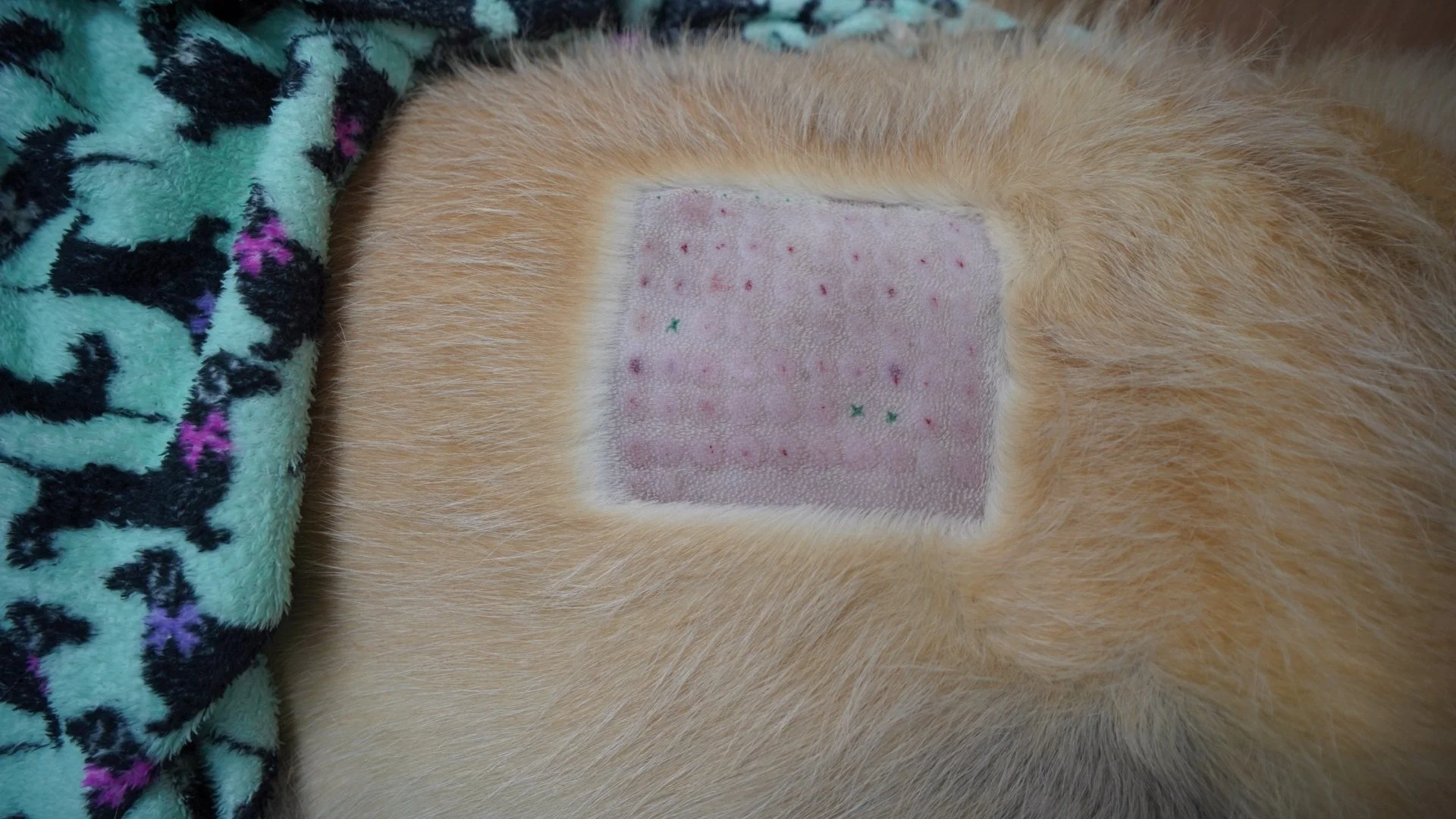
What is Allergy Profiling?
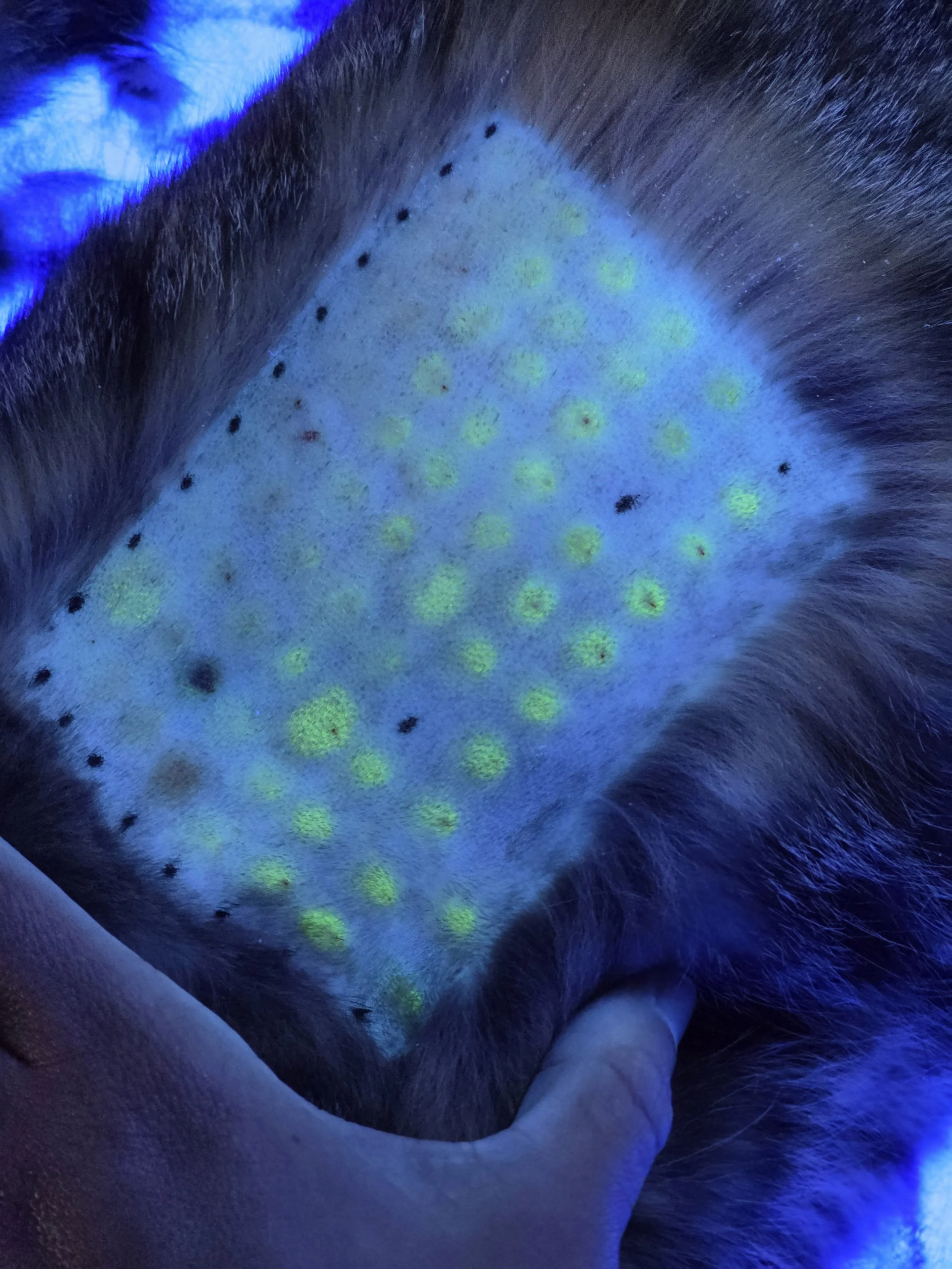
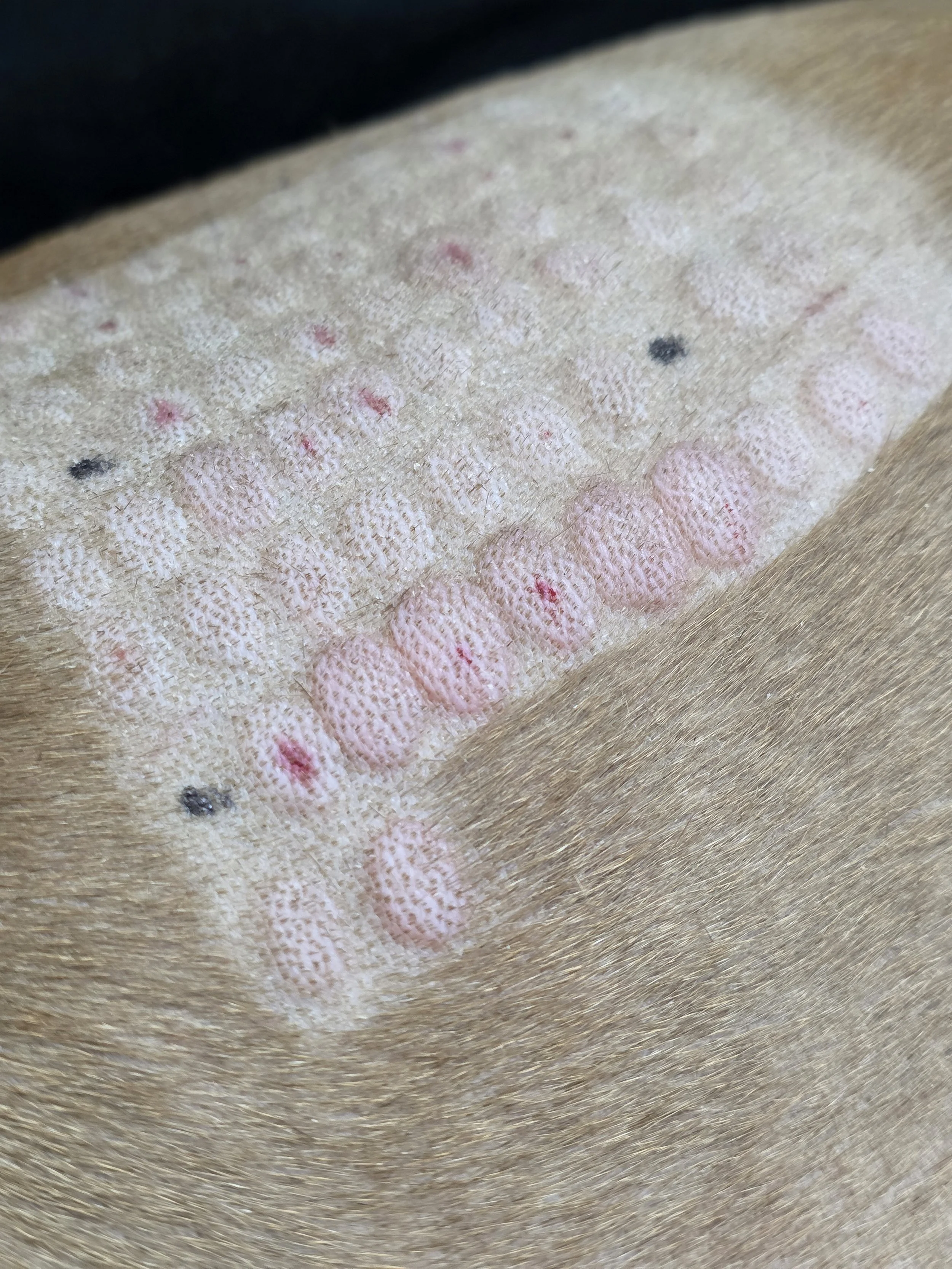
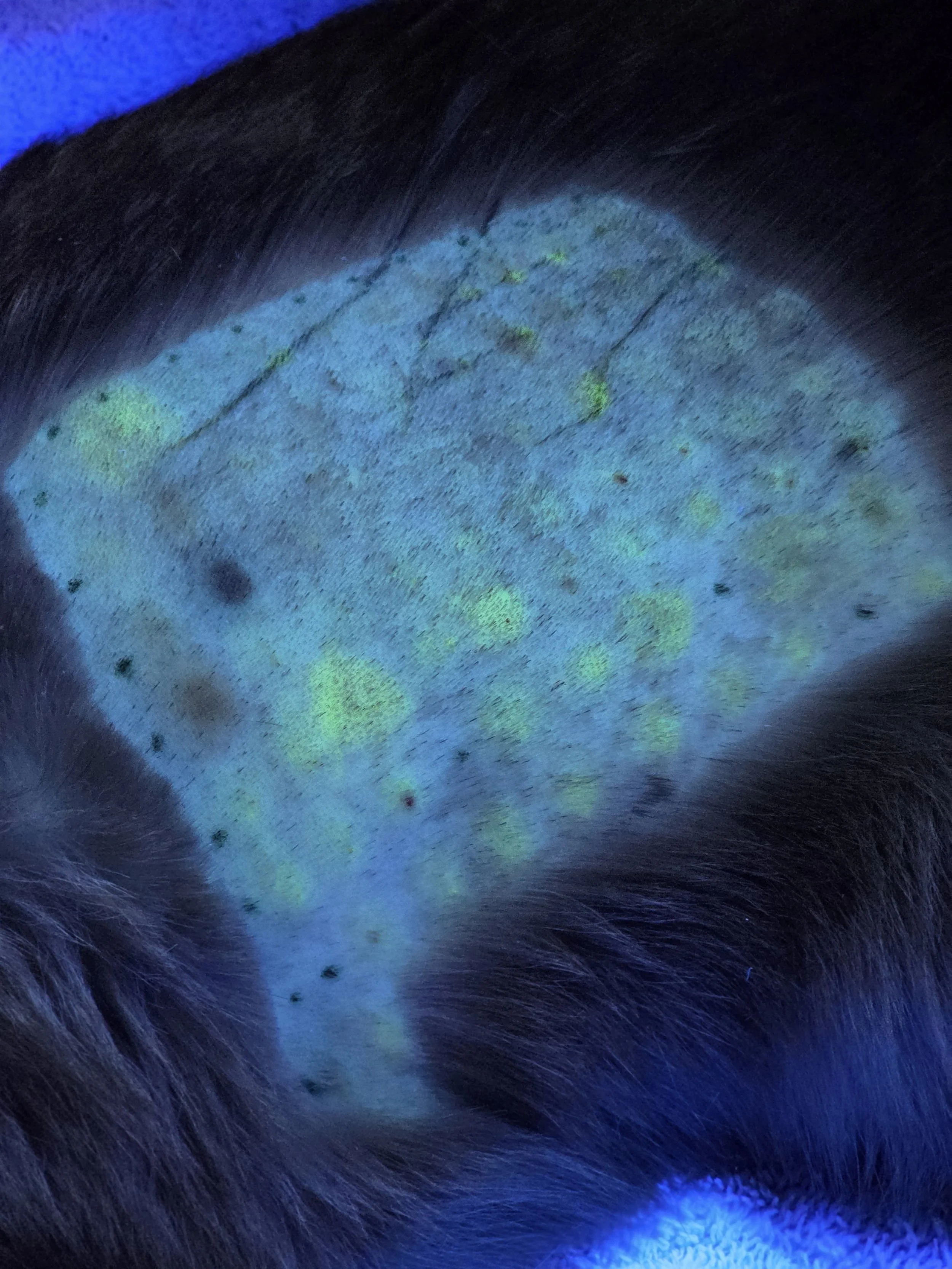
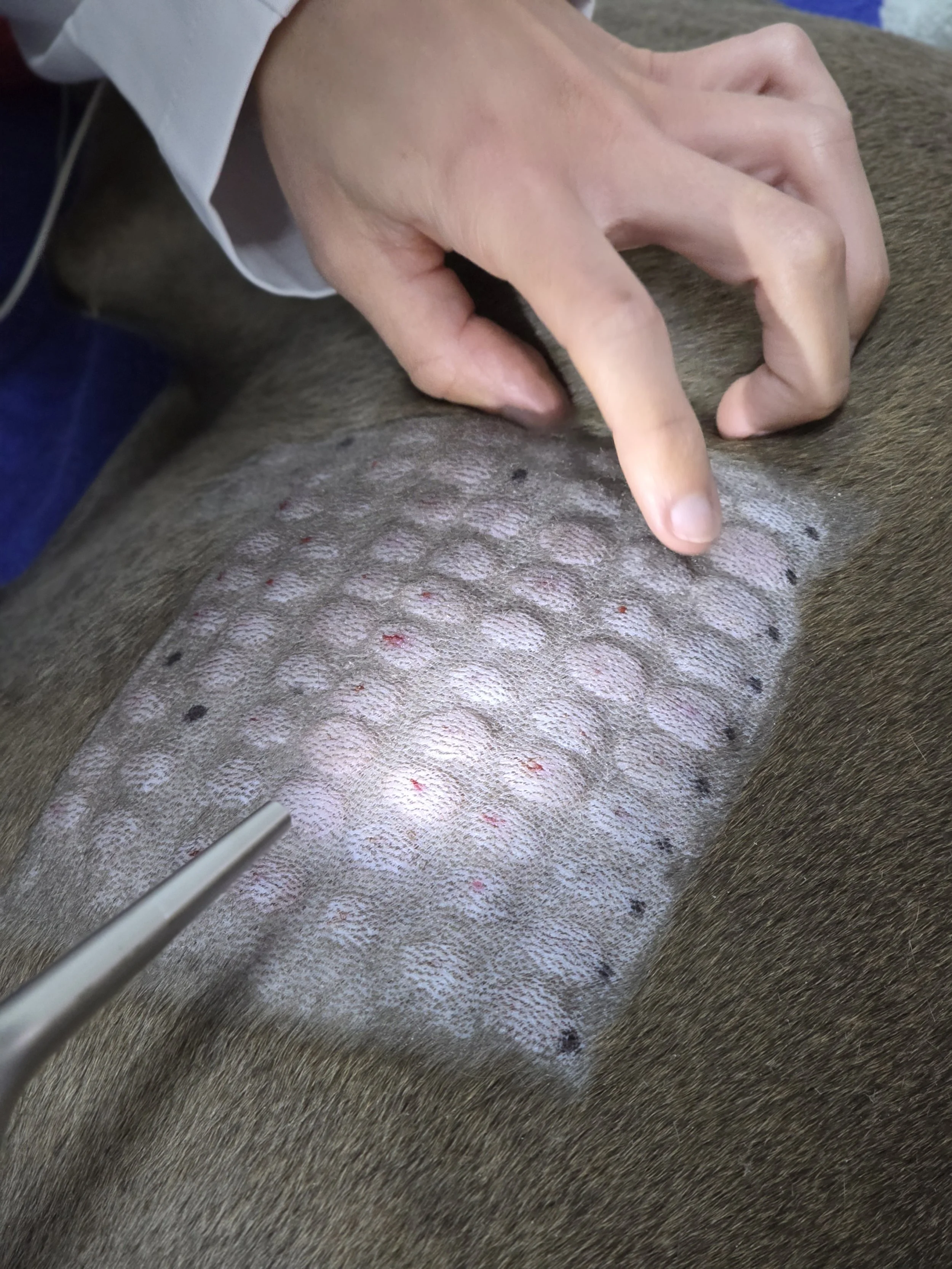
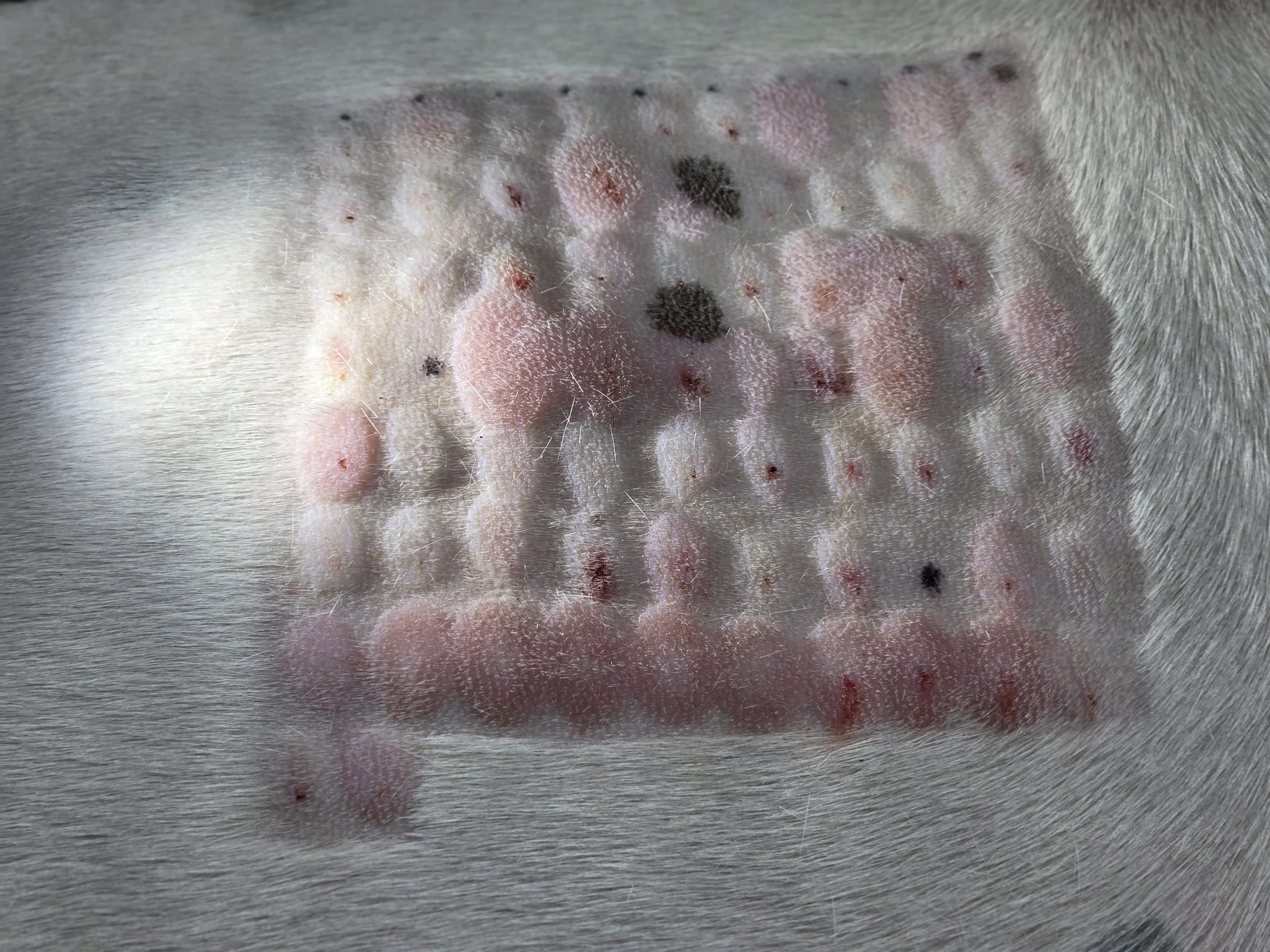
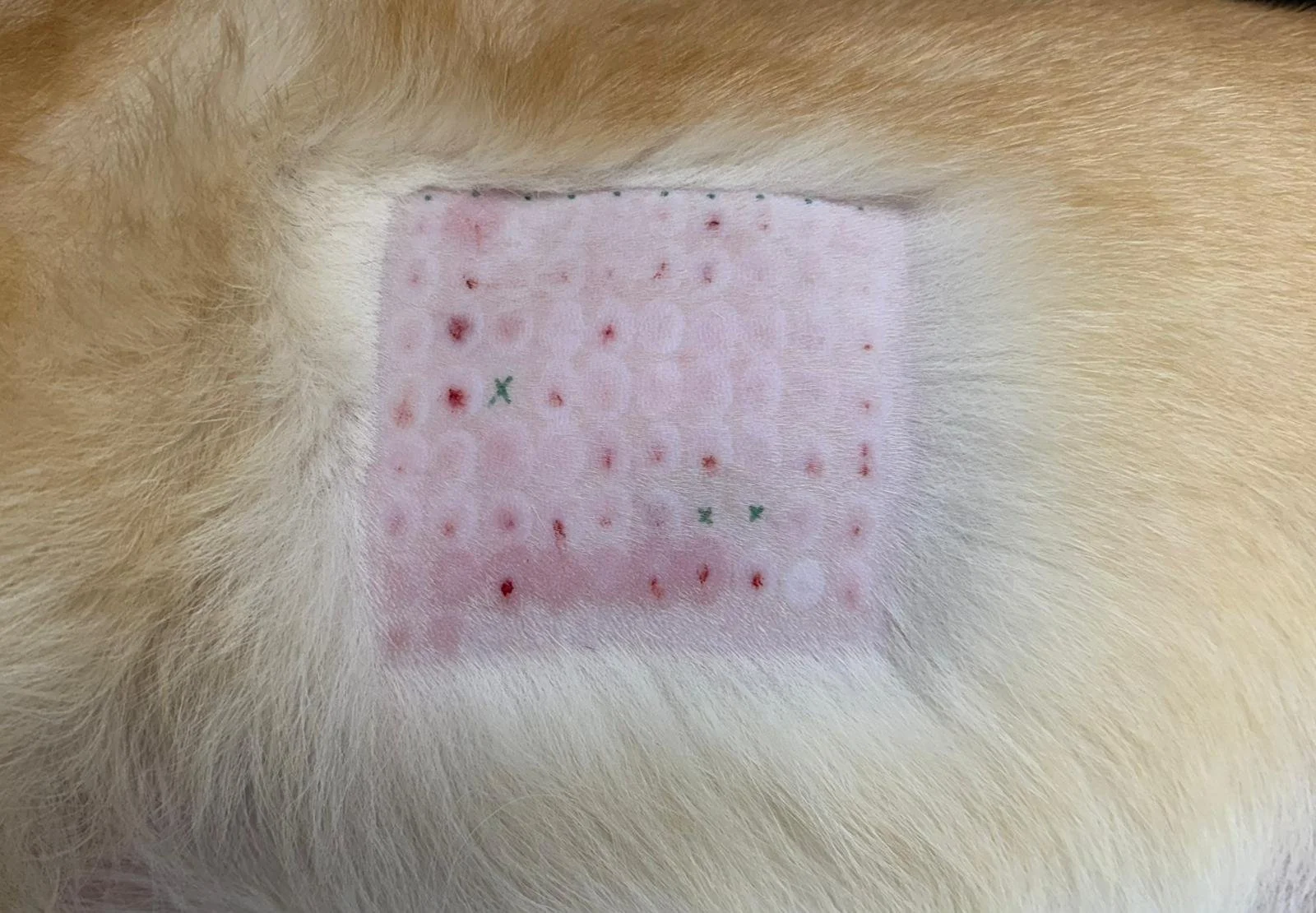
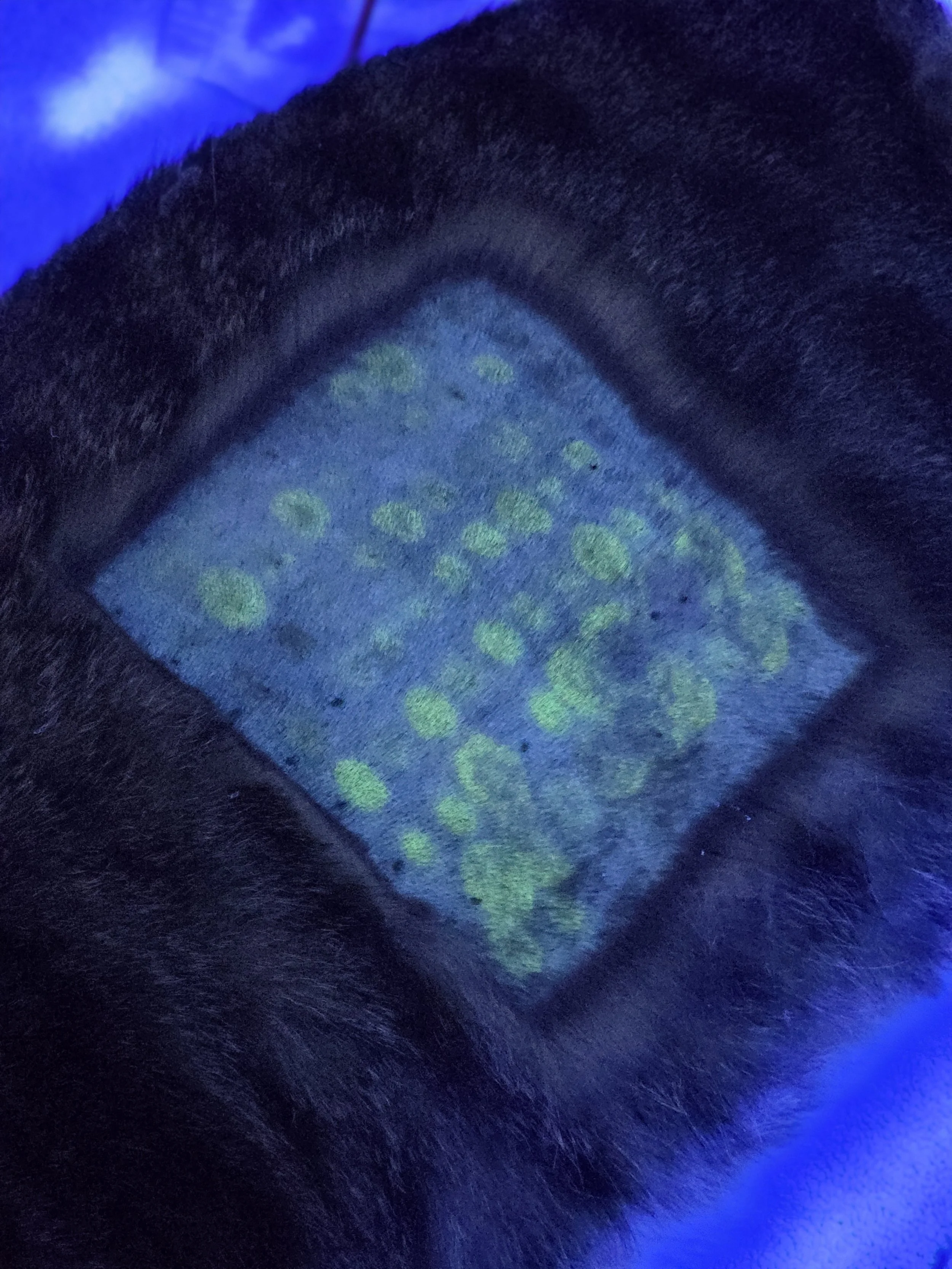
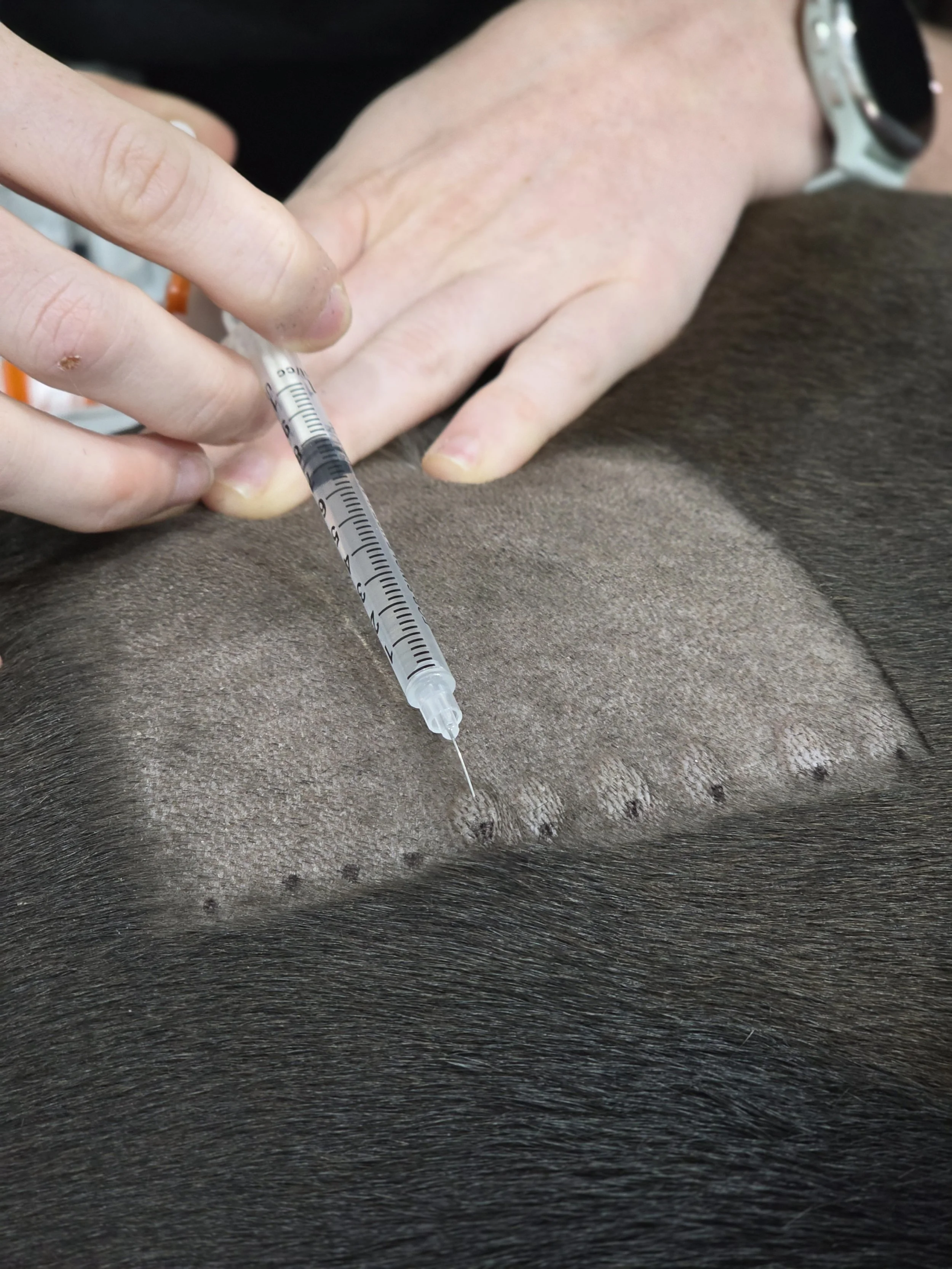
At Animal Dermatology Clinic, we take a comprehensive approach to identifying the environmental allergens that may be relevant to your pet.
Rather than asking owners to choose between different allergy tests, we provide specialist-led Allergy Profiling.
Our veterinary dermatologists determine the appropriate testing approach for your pet and interpret the findings alongside their medical history, clinical signs and pattern of allergic disease.
The aim isn't simply to produce a list of positive reactions. It's to build a clinically meaningful allergy profile that can help us formulate personalised allergen-specific immunotherapy where appropriate.
What happens after Allergy Profiling?
Once your pet's allergy profile has been assessed, your veterinary dermatologist will discuss the results with you and determine the most appropriate management plan.
For suitable patients, this may include allergen-specific immunotherapy, sometimes called desensitisation.
Immunotherapy is individually formulated using allergens selected specifically for your pet. The aim is to gradually modify the immune system's response to those allergens and improve long-term control of allergic disease.
Unlike medications that primarily control symptoms, immunotherapy targets the pet's allergic response itself. However, allergies are usually a long-term condition, and every patient responds differently. Some pets will continue to require additional treatments as part of their overall management plan.
Managing allergies is about more than testing
Successful allergy management rarely comes down to one test or one treatment.
Depending on your pet, their management plan may also involve treating secondary skin or ear infections, supporting the skin barrier, managing flare-ups, investigating possible food allergy and using medications to keep itching and inflammation under control.
Our goal is to develop a plan that works for your pet, your family and your lifestyle with the long-term aim of keeping their skin healthier and helping them live more comfortably.
Is your pet experiencing dog or cat allergy symptoms? Bring them in for a consultation. We treat your pet like one of our own. Call now on: +61 08 6277 9430 (Murdoch) and (Balcatta) or email: dermnurses@adcperth.com